How Retaining Walls in Walnut Creek, CA Prevent Erosion and Add Space
Engineered retaining walls in Walnut Creek, CA prevent soil movement, expand outdoor living areas, and protect landscaping by managing hillside drainage and structural loads with durable materials and proper foundation support.
What Problems Do Retaining Walls Solve?
Retaining walls address soil erosion, slope instability, drainage issues, and limited yard space by holding back earth and redirecting water flow away from structures and landscape features.
Without a retaining wall, gravity pulls soil downhill during heavy rain or irrigation. This erosion undermines patios, sidewalks, and building foundations. It also creates muddy runoff that damages plants and lawns.
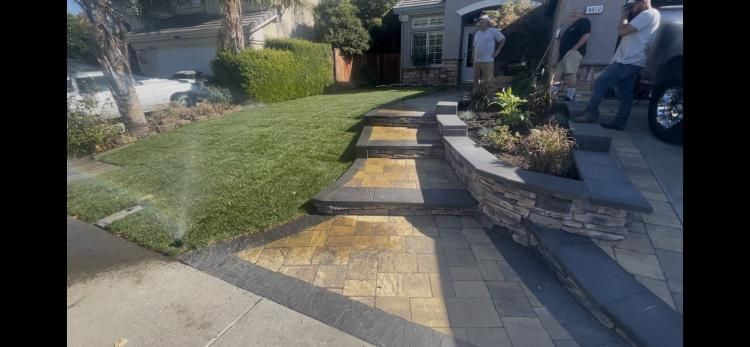
A properly built retaining wall stabilizes the slope and creates level terraces for planting, entertaining, or additional parking. It also protects your home's foundation by controlling water movement and reducing hydrostatic pressure against basement walls.
Which Retaining Wall Materials Work Best?
Stone, concrete block, and poured concrete are the most common retaining wall materials in Walnut Creek, each offering different aesthetics, cost profiles, and structural capabilities for varied site conditions.
Stone retaining walls provide a natural look and excellent durability. Concrete masonry units offer modular construction with engineered strength and faster installation. Poured concrete supports the highest loads and longest spans.
Material choice depends on wall height, soil type, drainage requirements, and design preferences. Taller walls often require geogrid reinforcement or tiebacks to resist lateral pressure from soil and water.
Entrust Masonry evaluates your site, reviews your plans, and recommends materials that balance performance, budget, and appearance. We handle all engineering coordination and secure permits to keep your project compliant and safe.
How Is Drainage Integrated into Retaining Wall Systems?
Drainage integration includes gravel backfill, perforated drain pipes, weep holes, and filter fabric to channel groundwater away from the wall and prevent hydrostatic pressure buildup that can cause failure.
Water trapped behind a retaining wall adds weight and pressure, eventually cracking or toppling the structure. A well-designed drainage system collects groundwater and directs it to safe discharge points before pressure builds.
Perforated pipes run along the base of the wall, surrounded by gravel that filters sediment. Weep holes allow surface water to escape at regular intervals, and filter fabric prevents soil from clogging the drainage system.
Do Walnut Creek Building Codes Require Retaining Wall Permits?
Walnut Creek typically requires permits for retaining walls over three feet in height or any wall supporting a surcharge load such as driveways, structures, or steeply sloped terrain.
Permit requirements ensure walls are engineered correctly, built with proper materials, and inspected for safety. Plans often need stamps from licensed engineers who verify soil bearing capacity and structural adequacy.
The review process protects both your property and neighboring parcels from wall failure or drainage problems. Hillside neighborhoods in Walnut Creek face unique soil and seismic conditions that demand careful engineering.
Entrust Masonry is a licensed, bonded, and insured general contractor offering full permitting assistance for retaining walls and hardscape projects. Our team manages document preparation, plan review, and inspection coordination so your project moves forward smoothly.
Expand your outdoor space safely with professionally engineered retaining walls. Connect with Entrust Masonry at 925-393-3432 to discuss site conditions, materials, and next steps for your Walnut Creek property.